

The Warning
Be weary of the warning signs

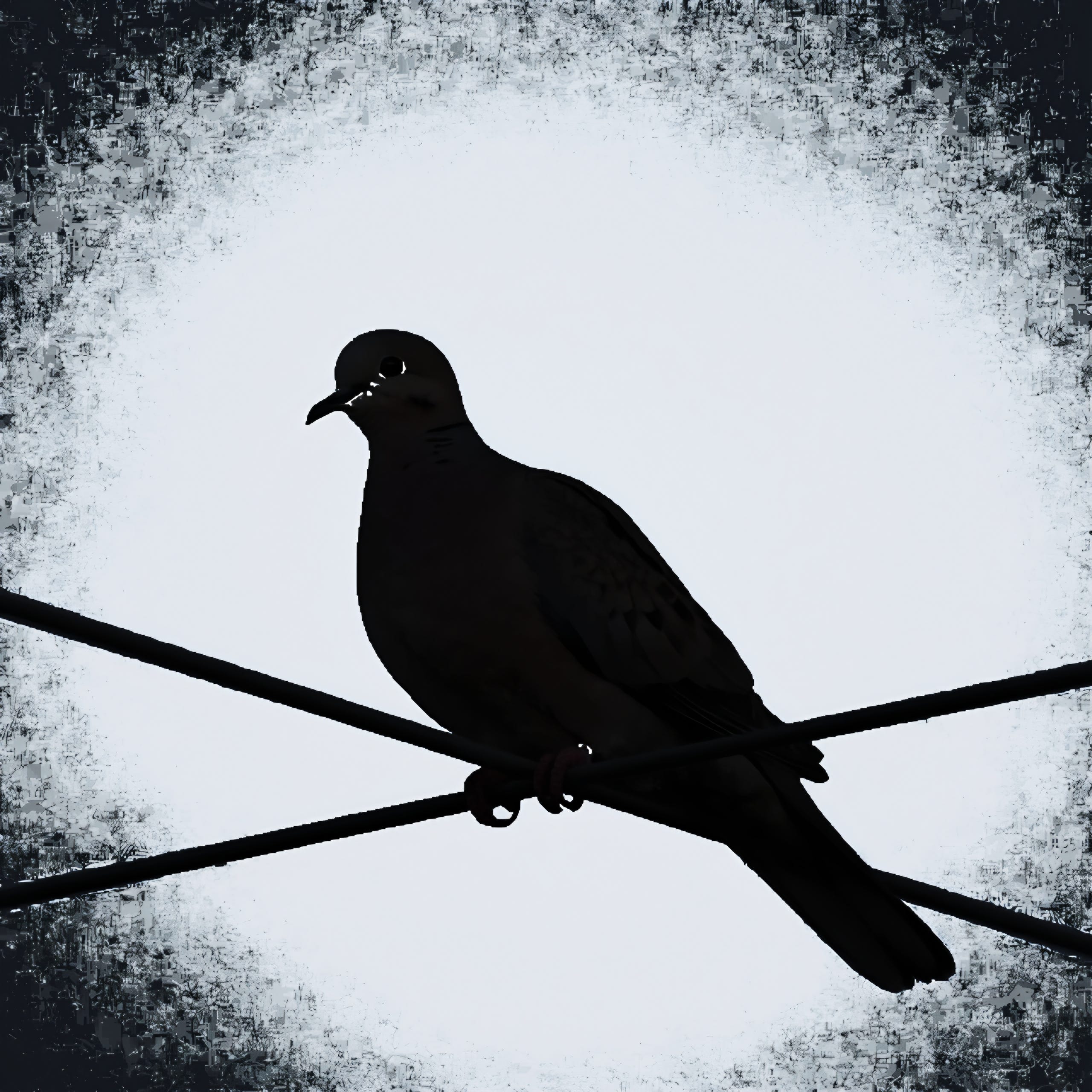
The mourning dove
calls at twilight,
haunting, crying sound
that sends icicles shooting
through your veins
as the darkness of night
settles in.
The mourning dove
cries out a haunting coo;
your bones tremble
as you rush back home—
legs heavy as iron,
heart racing in your throat,
sweat stings your eyes
as you reach the door,
hands shaking,
vibrating
with the fear
in your hard-pumping heart.
Turn the knob…
step inside,
let out a terrible cry—
for inside you find
the stiff body
of your beloved dog.
Dead. Cold.
Now you know
the truth
of the mourning dove’s
eerily sad call.
This poem feels like a slow build of fear that you don’t fully understand until the end.
The way the mourning dove’s call is described gives you chills right from the start.
I like how the physical reactions the heavy legs, the pounding heart make the moment feel so real.
You can almost picture the narrator rushing home, hoping the feeling is just nerves.
The reveal is heartbreaking, and the simplicity of it makes it hit even harder.
Losing a dog like that feels raw and personal, and the poem doesn’t try to soften it.
It’s interesting how a familiar sound suddenly becomes something ominous and meaningful.
The poem shows how grief can attach itself to the smallest things we hear or see.
The writing is vivid enough that you feel the shock right alongside the narrator.
By the end, the dove’s call becomes something you’ll never hear the same way again.